The AI Race Is Accelerating. Professional Services Will Benefit
Read more

In 2024, Caseware launched AiDA, a generative AI assistant built into the audit workflow. You could ask it a question, point it at a page of the engagement or a PDF, and get an answer back without leaving the file.
AiDA could do more than answer a question, too. It could pull key terms from a lengthy PDF with each point linked back to its source for quick verification, surface standards guidance for the exact checklist step you were on, and explain a chart or flag an anomaly with a narrative you could copy straight into your workpapers. It was a real productivity boost, but it was still only able to respond to something you asked. That was roughly the ceiling for what AI could reliably do inside an audit file, not a shortcoming specific to AiDA.
Generative AI helped professionals find information faster and summarize what they were already looking at. But many audit and assurance tasks are not single-step questions. They require gathering evidence from multiple sources, validating relationships between documents, applying methodology and surfacing issues that may not be obvious at first glance. That complexity is what agentic AI is designed to address.
Unlike traditional generative AI, which responds to prompts, agentic AI can plan and execute multiple steps toward a goal, retrieving information, evaluating findings and adapting its approach as it works.
By early 2026, agentic AI models could reason through a multi-step problem the way an experienced reviewer would: pull the numbers, check them against each other, and explain what didn't add up. Rather than incrementally extending AiDA, Caseware evolved the experience into Caseware Verity.
Caseware Verity is agentic AI that doesn't wait for you to hand it the right file. More than a new assistant, Caseware Verity represents a shift toward an intelligence layer embedded across the engagement workflow, connecting engagement context, methodology, documents and future agentic capabilities.
Caseware Verity can retrieve and analyze relevant engagement information, helping auditors identify inconsistencies and quickly understand where additional review may be needed. Upload a debt roll-forward schedule and ask Caseware Verity to reconcile it against the financial statements, and it finds the documents, checks the trial balance date against the engagement date, flags where they don't line up, and lays out what to look at next. AiDA answered a question you asked. Caseware Verity works the file with you, which sounds like a small distinction until you've spent an afternoon manually cross-referencing a roll-forward schedule against a set of financials.
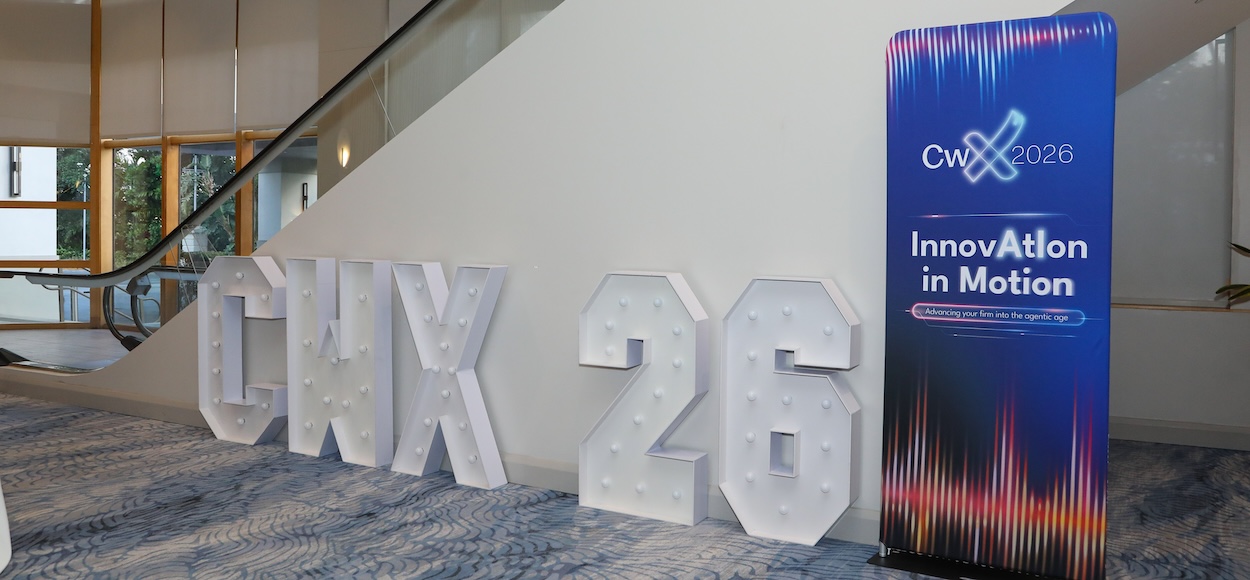
Andrew Smith, Chief Product Officer at Caseware, stepped through a Caseware Verity scenario at CwX 2026 in Florida. A reviewer opens a file for planning review and asks Caseware Verity if the engagement team missed anything. Caseware Verity pulls the trial balance, checks materiality, reviews the risks already logged, and surfaces a variance against the board minutes with no risk attached to it. The gap gets caught at the start of planning review, before it turns into a problem during fieldwork.
Alongside Caseware Verity, Caseware launched the Caseware Verity Agentic Suites: agents built for one specific piece of the engagement.
Rather than relying on a single AI assistant to perform every task, Caseware is building specialized agents designed for specific engagement activities. Each agent combines workflow context, methodology and AI reasoning to help firms complete high-value tasks more efficiently.
The first suite, the Disclosure Checklist Agent, automates disclosure checklist review against financial statements. It returns citation-backed answers, pointing to exactly where in the financials each one comes from and explaining why.
Firms in the beta program saved 2.7 hours per disclosure checklist run on average, according to Caseware's results.
With Caseware Verity, junior team members can access standards, methodology and engagement guidance directly in context, helping them become productive more quickly while enabling senior staff to focus on higher-value review activities.
Caseware Verity is a second set of eyes on the engagement, aware of the context and always on. The review call is still yours to make.
Suggestions Caseware Verity generates are citation-backed and traceable back to their source. Nothing gets written in without a human reviewing, accepting, editing, or rejecting it first.
Looking ahead, Caseware plans to extend Caseware Verity with additional agentic capabilities designed to help firms automate more engagement activities while maintaining human oversight and professional judgment.
The long-term opportunity isn't just faster document review. It's creating engagements where AI can continuously assist with planning, risk identification, evidence collection and review, allowing practitioners to spend more time applying judgment and delivering insight. Caseware Verity is Caseware's next step toward that future.
The fastest way to understand the difference between AiDA and Caseware Verity is to see it in action. Get a Caseware Verity walkthrough today.

How does Caseware Verity differ from AiDA?
AiDA responded to questions you asked, while Caseware Verity is agentic AI that can plan and execute multiple steps toward a goal on its own. Rather than waiting for a prompt, Caseware Verity retrieves and analyzes relevant engagement information, checks relationships between documents, and surfaces issues proactively.
What is agentic AI and why does it matter for audit?
Agentic AI can reason through multi-step problems by pulling information, evaluating findings, and adapting its approach as it works. Many audit tasks require gathering evidence from multiple sources and validating relationships between documents, which is the kind of complexity agentic AI is designed to handle.
What are the Caseware Verity Agentic Suites?
The Caseware Verity Agentic Suites are specialized agents built for specific engagement activities, combining workflow context, methodology, and AI reasoning. The first suite is the Disclosure Checklist Agent, which automates disclosure checklist review against financial statements and returns citation-backed answers.
How much time can the Disclosure Checklist Agent save?
Firms in the beta program saved an average of 2.7 hours per disclosure checklist run, according to Caseware's results.
Does Caseware Verity replace human judgment in the audit process?
No. The review call remains with the auditor. Every suggestion Caseware Verity generates is citation-backed and traceable to its source, and nothing is written into the engagement without a human reviewing, accepting, editing, or rejecting it first.
How does Caseware Verity support junior team members?
Junior staff can access standards, methodology, and engagement guidance directly in context through Caseware Verity, helping them become productive more quickly while freeing senior staff to focus on higher-value review activities.
What does Caseware plan to add to Caseware Verity in the future?
Caseware plans to extend Caseware Verity with additional agentic capabilities to help firms automate more engagement activities across planning, risk identification, evidence collection, and review, all while maintaining human oversight and professional judgment.